
Feeling overwhelmed, irritable, or anxious during everyday tasks is often assumed to be an emotional or psychological issue. Children may avoid reading, melt down during homework, or withdraw in busy environments. Adults may feel tense at work, uncomfortable in crowds, or mentally exhausted after a day of screen use. While these experiences are frequently labeled as anxiety, there is another contributing factor that is often overlooked: how the visual system is functioning.
Vision plays a central role in how the brain processes information, regulates comfort, and supports attention throughout the day. When visual skills are inefficient, the brain must work harder to interpret what the eyes see. Over time, this constant effort can create physical fatigue and emotional stress that closely resembles anxiety, even when emotional health itself is not the root issue.
When the visual system is inefficient, the brain may interpret everyday visual input as unstable or unsafe, particularly in visually demanding environments. This can activate the sympathetic nervous system, the body’s fight or flight response. Tasks such as reading, scrolling, driving, or moving through busy spaces can begin to feel tense rather than neutral. With repeated exposure, this heightened state can mimic anxiety, even though the underlying trigger is visual strain rather than an emotional disorder.
Book a Functional Vision Exam
If stress, overwhelm, or visual discomfort doesn’t improve with rest or routine care, a functional vision exam can help identify what your eyes and brain are struggling to manage.
Visual Stress Is About More Than Seeing Clearly
Many people assume that clear eyesight means vision is working well. In reality, clarity is only one component of the visual system. Everyday activities such as reading, writing, using digital devices, navigating busy spaces, or maintaining balance rely on multiple visual skills working together efficiently.
These skills include:
- Eye teaming, or how well the eyes coordinate with each other
- Focusing ability, especially during near work
- Eye movement control for tracking lines of text or moving objects
- Visual processing, which allows the brain to interpret and respond to what is seen
When one or more of these systems is inefficient, the brain receives visual information that is unstable or difficult to process. As Opto-Mization explains in its discussion of vision-related migraines and dizziness, the visual system is closely connected to balance, spatial awareness, and overall comfort. When vision is unstable, the brain must constantly compensate to maintain orientation and clarity, increasing overall neurological effort.
This compensation may not be obvious at first, but over time it places the nervous system under continuous strain.
Why Visual Strain Can Feel Like Anxiety
When the brain uses extra energy just to keep vision comfortable, fewer mental resources remain available for emotional regulation and attention. This does not mean a person has an anxiety disorder. Instead, it means the nervous system is operating under persistent stress caused by inefficient visual input.
Visual strain may present as:
- Avoidance of reading, writing, or screen-based tasks
- Irritability or emotional outbursts during visually demanding activities
- Withdrawal from busy or visually complex environments
- Difficulty sustaining attention or focus
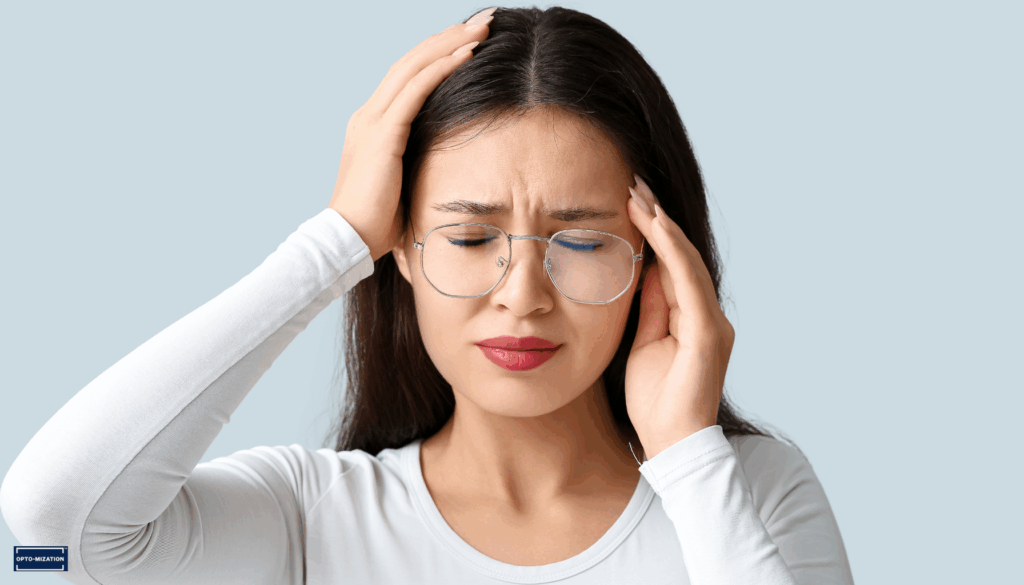
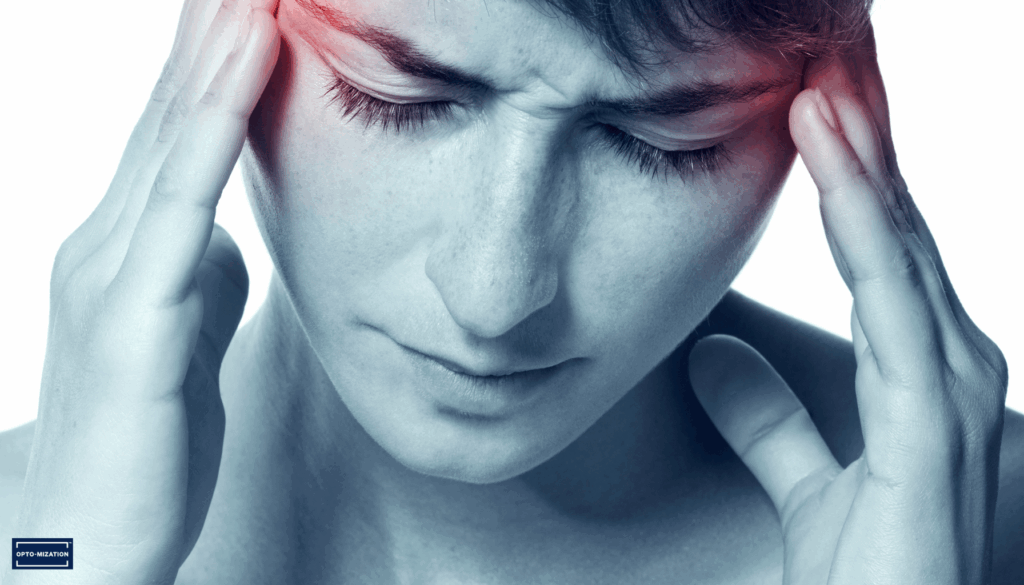
- Physical symptoms such as headaches, dizziness, nausea, or eye discomfort
These responses are often protective rather than emotional in origin. The brain is attempting to reduce overload by pulling away from situations that increase visual demand. Over time, this pattern can look very similar to anxiety, particularly when the visual system is never given a chance to function comfortably.
The Role of the Nervous System in Visual Stress
Vision is not isolated to the eyes alone. It is deeply integrated with the nervous system. More than half of the brain’s pathways are involved in processing visual information. When visual input is inefficient, the nervous system remains in a heightened state of alertness.
This heightened state may result in:
- Increased sensitivity to light or motion
- Difficulty calming down after visually intense activities
- Trouble transitioning between tasks
- A feeling of being “on edge” without a clear emotional cause
Over time, this can contribute to a pattern of stress that feels constant and difficult to explain, particularly when standard eye exams report normal results.
Get Answers About Your Vision
Discover whether visual inefficiencies are contributing to stress, headaches, or attention problems and learn what personalized care options are available.
How Visual Stress Affects Children
Children are often more vulnerable to visual stress because they may not have the language or awareness to describe what feels uncomfortable. Instead, their struggle may appear as behavioral or emotional difficulty.
Common signs of visual stress in children include:
- Resistance to reading or schoolwork
- Frustration that escalates quickly during homework
- Avoidance of close-up tasks
- Difficulty coping in visually busy classrooms
- Increased fatigue or irritability as academic demands increase
Clinical experience shows that inefficient visual skills can significantly increase daily stress, especially in children who already process sensory information differently. Opto-Mization explores this connection further in its article on vision and autism, where functional eye exams are shown to help identify visual inefficiencies that contribute to daily stress and overwhelm. When vision is unstable, even routine classroom activities require more effort, which can heighten emotional responses and reduce a child’s ability to self-regulate.
Importantly, these behaviors are not a reflection of intelligence, motivation, or emotional maturity. They are signals that the visual system may be under strain.
Visual Stress in Adults Is Often Overlooked
Adults experience visual stress as well, though it is frequently attributed to work pressure, aging, or general fatigue. Because vision changes may occur gradually, adults often adapt without realizing that vision is contributing to their discomfort.
Adults experiencing visual stress may report:
- Mental exhaustion after prolonged reading or computer use
- Increased sensitivity to light, glare, or motion
- Difficulty working in visually complex environments
- Discomfort or anxiety while driving, especially at night or in traffic
- Reduced tolerance for busy or crowded spaces
These symptoms are commonly managed with rest, changes in lighting, or stress-reduction strategies, while vision remains unexamined beyond basic clarity.
Why Standard Eye Exams May Not Identify the Problem
Traditional eye exams are essential for eye health and visual clarity, but they are not designed to assess how vision performs under sustained or demanding conditions. A person can see 20/20 and still struggle with visual efficiency.
Standard exams typically focus on:
- Distance and near visual acuity
- Eye health and disease screening
- Basic refractive needs
Functional eye exams, by contrast, evaluate how the eyes and brain work together during real-world tasks. These assessments look at:
- Eye coordination and teaming
- Focusing accuracy and flexibility
- Eye movement control
- Visual endurance and comfort over time
By evaluating these skills, functional exams can identify sources of hidden visual stress that may be contributing to both physical symptoms and emotional strain.
Addressing Visual Stress to Improve Daily Comfort
When visual inefficiencies are identified and addressed, many people experience improved comfort and greater ease during everyday activities. This process does not replace mental or emotional health care when it is needed. Instead, it ensures that vision is not adding unnecessary stress to the system.
Reducing visual stress can support:
- Improved tolerance for reading and screen use
- Greater comfort in visually demanding environments
- Reduced frequency of headaches or dizziness
- Better ability to remain calm and focused during tasks that previously felt overwhelming
For children, improved visual efficiency can make learning feel more manageable. For adults, it can restore comfort and confidence during work and daily activities.
Seeing the Full Picture
When anxiety-like symptoms persist despite effort, support, and coping strategies, it can be helpful to consider whether vision is contributing. Visual stress does not mean something is emotionally wrong. It means the visual system may be working harder than it should.
At Opto-Mization in Victoria and Nanaimo, functional vision assessments help uncover these hidden contributors to daily stress. By understanding how vision functions beyond clarity, patients and families can gain clearer answers and a more complete understanding of what may be affecting comfort, focus, and overall well-being.