Many people experience visual discomfort in their daily lives but don’t realize the underlying cause. Symptoms like eye strain, headaches, or difficulty reading are often dismissed as stress, fatigue, or just part of aging. However, these symptoms may point to a more complex issue: binocular vision dysfunction (BVD).
BVD occurs when the two eyes fail to work together properly, leading to a variety of symptoms that can significantly affect day-to-day activities. Unlike standard vision problems, where blurry vision is the main issue, BVD involves the brain’s inability to integrate the images from each eye into a single, cohesive view. This misalignment can make everyday tasks, like reading, driving, or even just walking, difficult and uncomfortable.
If you’re experiencing headaches, dizziness, or visual strain, book a comprehensive functional eye exam in Victoria or Nanaimo to assess binocular vision function and identify the root cause.
What is Binocular Vision Dysfunction (BVD)?
Binocular Vision Dysfunction (BVD) is a condition where the eyes are unable to coordinate properly. The eyes may not align as they should, causing each eye to send a slightly different image to the brain. As a result, the brain struggles to fuse the images into one unified perception. The symptoms of BVD are often more subtle than other vision problems, making it harder to diagnose.
Common symptoms of BVD include:
- Eye strain and fatigue: Overcompensating for misalignment can lead to tired or sore eyes.
- Difficulty reading: Words may blur or jump around on the page.
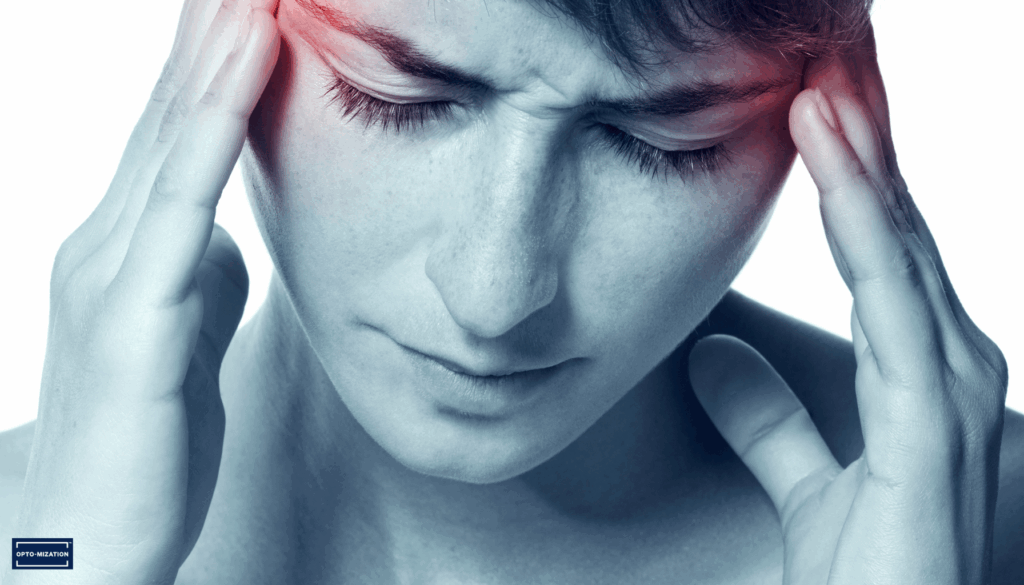
- Headaches: Frequent headaches can occur from the strain caused by misalignment.
- Dizziness or balance issues: Problems with depth perception and eye coordination can cause balance issues.
- Difficulty in busy places
- Trouble focusing
- Double vision: When the eyes fail to align properly, the brain receives two separate images, leading to blurry or doubled vision.
This page highlights the importance of diagnosing BVD through a comprehensive eye exam as these symptoms are often misdiagnosed or attributed to other conditions, such as migraines or stress.
How Binocular Vision Dysfunction Affects Your Daily Life
The impact of BVD on daily activities is often underestimated. People with BVD may not always experience severe double vision or intense dizziness, but the subtler effects can still interfere with their quality of life.
For example, people with BVD may notice:
- Difficulty reading or concentrating: When eyes are misaligned, focusing on text can become more taxing, leading to slower reading speeds and fatigue.
- Fatigue during visual tasks: Tasks that require sustained focus, like using a computer or reading a book, can lead to excessive eye strain and tiredness.
- Balance issues: The eyes’ inability to properly coordinate can lead to difficulty with depth perception, making navigating stairs or busy environments challenging.
- Increased frustration: Without a proper diagnosis, many people become frustrated as their symptoms worsen or are attributed to unrelated causes.
In the What is Binocular Visual Dysfunction page, we discuss how BVD affects both children and adults, although it is often overlooked in both groups. For adults, especially those who spend long hours reading, working on computers, or engaging in other visually demanding tasks, these symptoms can have a profound effect on productivity and comfort.
How Does BVD Develop?
BVD can develop at any age and is not always associated with an obvious injury. For some people, the condition may have been present from birth but went unnoticed. For others, BVD can develop over time due to factors like:
- Aging: As people age, their eyes ability to maintain coordination and focus may decline.
- Head trauma or concussion: Injuries that affect the brain or nervous system can disrupt how the brain processes visual information.
- Straining to compensate: Over time, individuals may unknowingly begin to compensate for small misalignments in the eyes, leading to strain and visual discomfort.
As mentioned in the Adults and BVD page, BVD in adults is often undiagnosed because symptoms can develop gradually. Individuals may notice minor issues with vision but are not aware that these could be signs of binocular vision dysfunction rather than other conditions.
Diagnosing BVD: The Importance of a Comprehensive Eye Exam
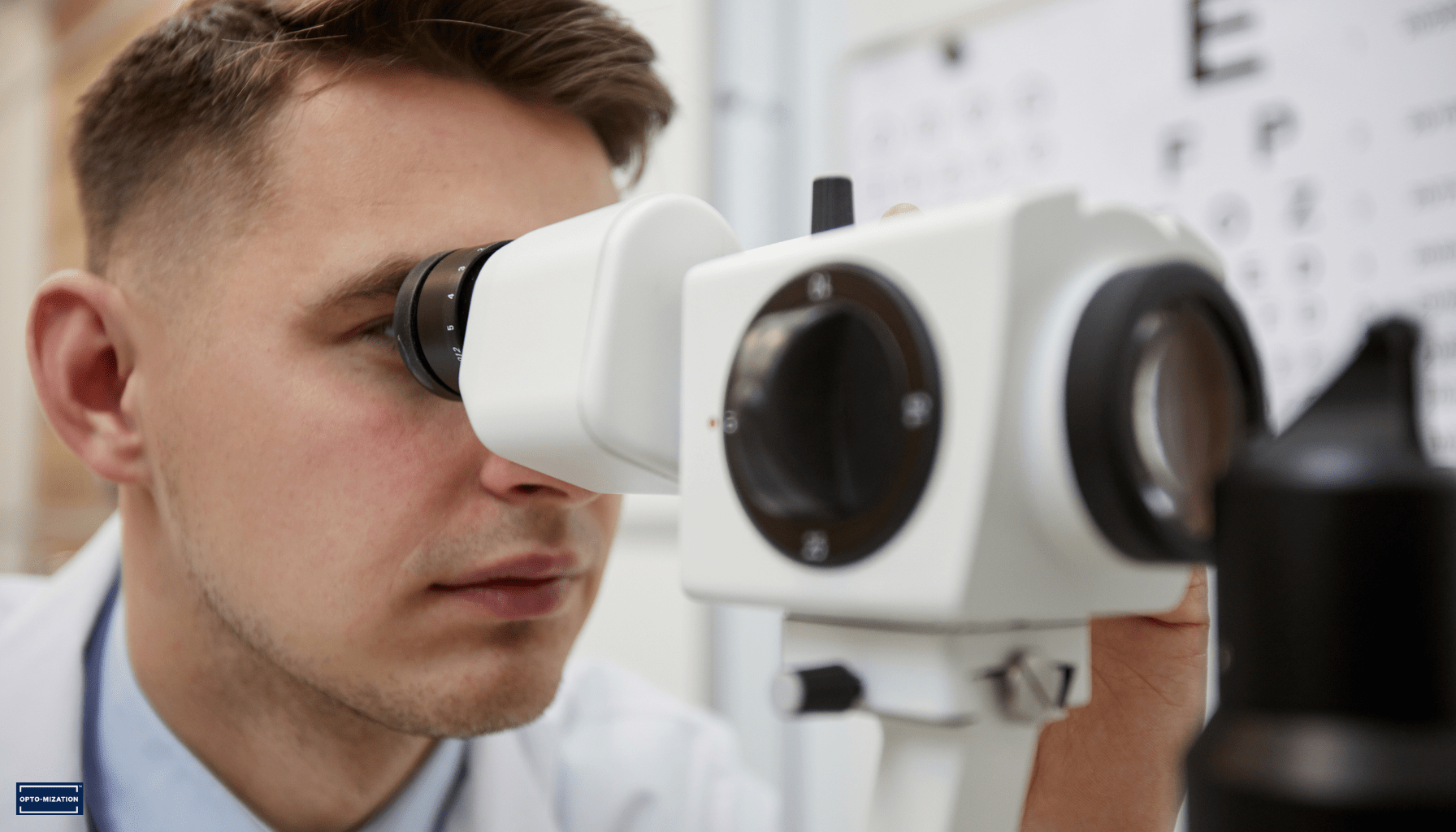
A standard eye exam typically focuses on visual acuity (how clearly you see) and eye health. However, these exams often miss the underlying functional issues that cause BVD symptoms. For a proper diagnosis, a comprehensive eye exam that includes a functional vision assessment is necessary.
During this type of exam, your optometrist will assess:
- Eye coordination: Whether your eyes work together to focus on objects at different distances.
- Focusing ability: How well your eyes can maintain focus on near tasks like reading or working on a computer.
- Eye tracking: Whether your eyes can move smoothly across text or objects without difficulty.
- Depth perception and binocular vision function: How efficiently both eyes work together to create a single, clear image and accurately judge the distance between objects. When binocular vision function is not working properly, depth perception can be reduced, which may affect balance, coordination, spatial awareness, and comfort in daily activities.
If a misalignment or dysfunction is detected, a comprehensive evaluation will guide the next steps in treatment, which may include vision therapy.

Schedule a comprehensive eye exam with our team in Victoria or Nanaimo and take the first step toward clearer, more comfortable vision.
Treatment Options for Binocular Vision Dysfunction
Once diagnosed, BVD can be treated through several options, depending on the severity and nature of the condition:
1. Vision Therapy
The primary treatment for BVD is vision therapy, which involves a series of exercises designed to retrain the eyes and brain to work together more effectively. Vision therapy can help correct misalignment, improve eye coordination, and relieve symptoms like eye strain and headaches.
Opto-Mization’s vision therapy programs are tailored to each patient’s specific needs, whether it’s for children with learning difficulties or adults experiencing chronic eye strain.
2. Prism Lenses
For some patients, glasses can be prescribed using specialized approaches that go beyond simply improving clarity. This may include carefully adjusting the prescription and, when appropriate, incorporating tools such as prism to influence how the eyes and brain work together. These modifications can support binocular vision function, improve spatial perception, enhance eye tracking, and positively affect visual–vestibular integration.
Rather than acting as a temporary crutch or cosmetic adjustment, these lenses are often part of a structured treatment strategy. They can help reduce the unnatural strain and stress placed on the visual system by modern visual demands while supporting the brain in achieving more efficient, coordinated visual function.
3. Lifestyle Adjustments
In addition to formal treatment options, lifestyle adjustments can help manage BVD symptoms. These include:
- Taking frequent breaks during long periods of reading or screen time
- Using proper lighting to reduce visual strain
- Maintaining good posture to support visual comfort and reduce eye strain
As highlighted in the Adults and BVD page, making these changes can help reduce the burden on the visual system while undergoing treatment.
Preventing BVD: Early Detection and Regular Eye Exams
The key to preventing BVD from worsening is early detection. Regular eye exams that include functional vision testing are essential for identifying issues before they become more significant problems.
If you’re experiencing symptoms like headaches, dizziness, or difficulty reading, it’s important to seek an eye specialist who understands the complexities of binocular vision dysfunction. A functional eye exam will help identify any misalignments or coordination issues early, allowing for timely treatment.
Opto-Mization’s team of optometrists in Victoria and Nanaimo is trained to detect and treat binocular vision dysfunction, ensuring that you receive the right care to restore visual comfort and efficiency.
Conclusion
Binocular Vision Dysfunction (BVD) can have a significant impact on your daily life, from causing headaches and eye strain to affecting your ability to read or concentrate. Fortunately, with proper diagnosis and treatment, BVD is manageable. A functional eye exam that assesses eye coordination, focus, and depth perception is the key to identifying this condition and determining the best course of treatment.
If you are experiencing symptoms of binocular vision dysfunction, schedule a comprehensive eye exam at Opto-Mization. Our team of experienced optometrists is here to help you understand your symptoms and provide effective solutions, from vision therapy to prism lenses and lifestyle adjustments.
Visit our What is Binocular Visual Dysfunction page for more information on this condition and how we can help you regain visual comfort and efficiency.