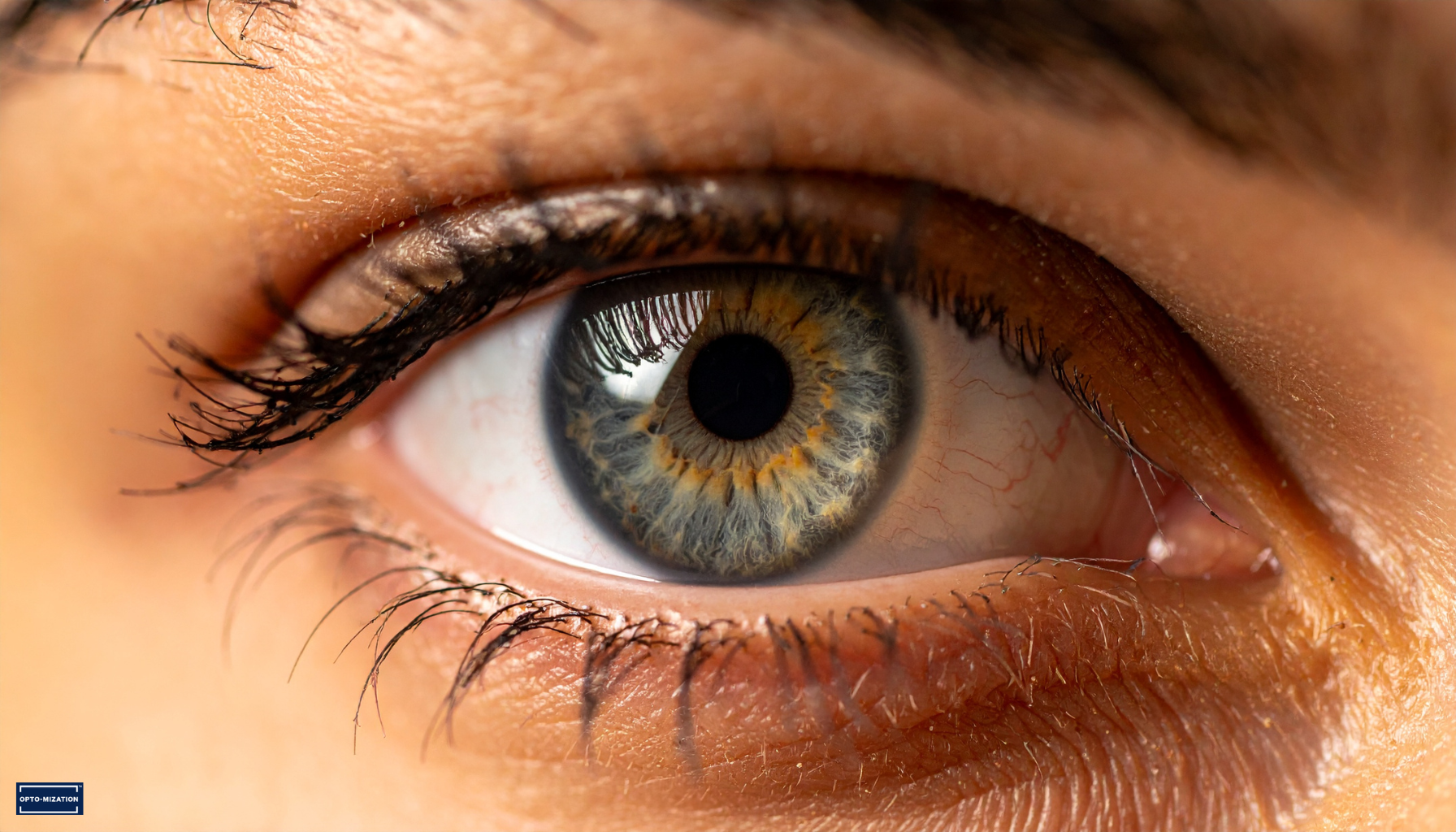
As we age, our vision naturally changes, and one of the most common age-related vision issues is presbyopia. Presbyopia is a condition where the eyes lose their ability to focus on close-up objects, making tasks like reading, using a smartphone, or threading a needle more challenging. While presbyopia is a normal part of the aging process, managing it effectively is key to maintaining good vision and quality of life.
In recent years, new treatments have emerged, including presbyopia eye drops and other innovative solutions. These eye drops promise to alleviate the symptoms of presbyopia by improving the focusing ability of the eyes. However, as with any new treatment, it’s important to understand how they work, their benefits, and their limitations, especially when dealing with the complications of small pupils and other age-related vision changes.

Book your comprehensive eye exam to explore the most practical solution for your near vision needs.
What Is Presbyopia?
Presbyopia typically begins to affect people in their 40s or 50s and occurs because the eye’s natural lens becomes less flexible over time. This reduced flexibility prevents the lens from changing shape quickly enough to focus on nearby objects, a process known as accommodation. As a result, people with presbyopia experience blurred vision when trying to read or focus on close objects.
The condition progresses gradually and is universal for all individuals as they age, affecting everyone to some degree. Some of the common symptoms of presbyopia include:
- Blurred vision when reading or working on close-up tasks
- Eye strain and discomfort while focusing on nearby objects
- Headaches from trying to focus on small print or close-up tasks
- Holding reading materials farther away in an attempt to focus
As noted in our Presbyopia page, presbyopia is a normal aging process, but it can significantly impact daily tasks. Fortunately, there are several ways to manage the symptoms of presbyopia, including presbyopia eye drops.
How Do Presbyopia Eye Drops Work?
Presbyopia eye drops are an emerging treatment for presbyopia that aim to improve near vision without the need for reading glasses or contact lenses. These eye drops contain a compound that works by constricting the pupils, which can enhance the eye’s ability to focus on close objects.
By shrinking the pupils, these drops increase the depth of focus, making it easier to see objects clearly at various distances. The effect is similar to the way pinhole glasses work, where smaller apertures help increase clarity and depth of focus, especially when reading or doing close-up work.
However, the use of presbyopia eye drops is not without its limitations. While they may help improve near vision temporarily, they do not treat the underlying cause of presbyopia (the loss of lens flexibility). Additionally, the effect may vary from person to person, and eye drops may not work as effectively for everyone.
The Challenge of Small Pupils in Presbyopia Treatment
One of the significant factors that affects presbyopia treatment is small pupils, which naturally occur with aging. As people age, the pupil size tends to decrease, and this can contribute to difficulty focusing on nearby objects. Smaller pupils reduce the amount of light entering the eye, which in turn can affect visual clarity and depth of focus.
In fact, as described in our article on blurred vision and headaches (What’s the Connection?),
Presbyopia eye drops work by creating a pinhole effect; they make the pupil smaller, which increases depth of focus and can temporarily improve near clarity.
However, they do not restore the eye’s focusing ability or improve binocular function. Even if vision appears clearer up close, patients may still experience fatigue, headaches, reduced night vision, or difficulty in low light. Clearer does not always mean more comfortable or more functional vision.
For some patients, vision therapy or other options such as reading glasses or bifocals may provide a more effective solution for managing the effects of presbyopia and small pupils.
Alternative Treatments for Presbyopia
While presbyopia eye drops offer a new treatment option, there are several other effective ways to manage the condition:
1. Reading Glasses
Reading glasses are the most common and simplest solution for presbyopia. They magnify close-up text, making it easier to focus on near objects. Some people use over-the-counter reading glasses, while others may have custom prescriptions from their optometrist.
2. Bifocals or Progressive Lenses
Bifocal glasses have two distinct prescriptions—one for distance and one for reading. Progressive lenses provide a gradual transition from near to far vision without a visible line, allowing for a more natural viewing experience.
3. Monovision Contact Lenses
Monovision involves using a different prescription for each eye: one set for near vision and the other for distance. While some people are able to adapt to monovision contact lenses for short-term or situational use, this approach fundamentally reduces how the two eyes work together as a team.
Because clear, comfortable vision depends on coordinated binocular function, intentionally separating the roles of each eye can interfere with depth perception, visual stability, and overall visual efficiency. For this reason, we do not recommend monovision as a long-term, day-to-day solution for managing presbyopia. In most cases, preserving balanced binocular vision provides better visual comfort and performance over time.
If appropriate, monovision may be considered temporarily in limited circumstances, but it is not typically ideal for sustained daily use.
4. Refractive Surgery
Some individuals with presbyopia opt for refractive surgery like LASIK or PresbyLASIK. These surgical procedures reshape the cornea to help improve near vision. While these surgeries can be effective, they come with risks and are not suitable for everyone.i
5. Vision Therapy
In some cases, vision therapy can be a helpful treatment for presbyopia. Vision therapy involves specific exercises designed to improve the coordination between the eyes and the brain, helping to enhance the focusing ability of the eyes.
At Opto-Mization, we offer evidence-based options for managing presbyopia, including carefully prescribed reading glasses, multifocal lenses, and other solutions tailored to your visual demands. Presbyopia is a natural age-related change in the eye’s focusing system, and it cannot be reversed with exercises or vision therapy.
However, a comprehensive functional eye exam is still important. Some adults experiencing near vision strain may also have underlying binocular vision or focusing inefficiencies that compound symptoms. While vision therapy does not treat presbyopia itself, addressing coexisting visual coordination issues can significantly improve overall comfort and performance.
Our goal is to determine exactly what is causing your symptoms and recommend the most appropriate, practical solution for your daily visual needs.
Schedule a consultation to discuss reading glasses, multifocal lenses, and personalized options designed for long-term visual comfort.
Should You Try Presbyopia Eye Drops?
Presbyopia eye drops are an exciting option for some patients, but they are not the right solution for everyone. These drops provide temporary relief by improving focus on near objects, but they don’t address the root cause of presbyopia. They may be helpful for people who don’t want to rely on reading glasses or bifocals, but they should not be seen as a replacement for other vision correction methods.
Before trying presbyopia eye drops, it’s essential to consult with your optometrist to ensure they are the right option for you. An eye exam can determine whether eye drops, glasses, contact lenses, or another treatment is best for your individual needs.
Conclusion
Presbyopia is a normal part of the aging process, but managing its effects can make a significant difference in your daily life. Whether it’s using presbyopia eye drops, wearing reading glasses, or considering surgical options, it’s important to explore the available treatments to find the right solution for you.
At Opto-Mization, we offer comprehensive functional eye exams and a range of treatments to help you manage presbyopia and improve your quality of life. If you’re experiencing difficulty reading or focusing on close-up objects, schedule an appointment today to discuss your options.
Visit our Presbyopia and Blurred Vision and Headaches pages for more information on age-related vision changes and how to address them effectively.