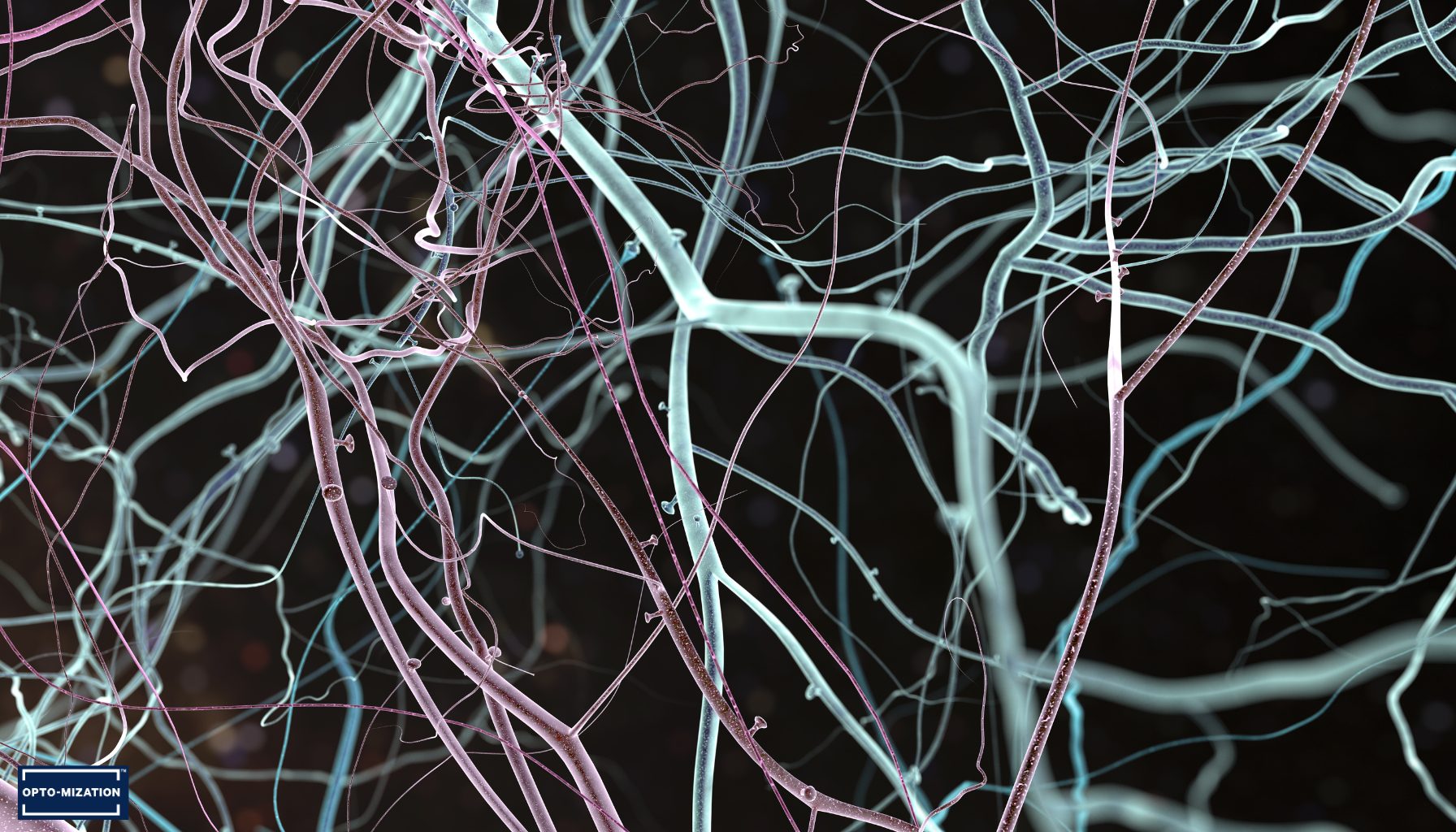
Searching for a neuro optometrist in Victoria usually means something about vision does not feel right, even though standard tests may appear normal. People often reach this point after experiencing persistent symptoms such as headaches, dizziness, difficulty focusing, visual fatigue, or problems reading and using screens. In many cases, they have already had their prescription checked, yet the discomfort continues.
Neuro-optometric vision care focuses on how vision functions when the connection between the eyes and the brain has been disrupted or is working inefficiently. Understanding what a neuro optometrist does, and when this type of care may be appropriate, can help clarify next steps for individuals seeking answers.
What Is Neuro-Optometric Vision Care?
Neuro-optometric vision care is a specialized area of optometry that evaluates how visual information is processed and integrated by the brain. Vision is not only about seeing clearly. It involves coordination between the eyes, the brain, balance systems, and movement.
A neuro optometrist looks at how vision functions when neurological factors are involved, including how visual input affects comfort, balance, attention, and performance. This approach is particularly relevant when symptoms persist despite normal eye health and clear eyesight.
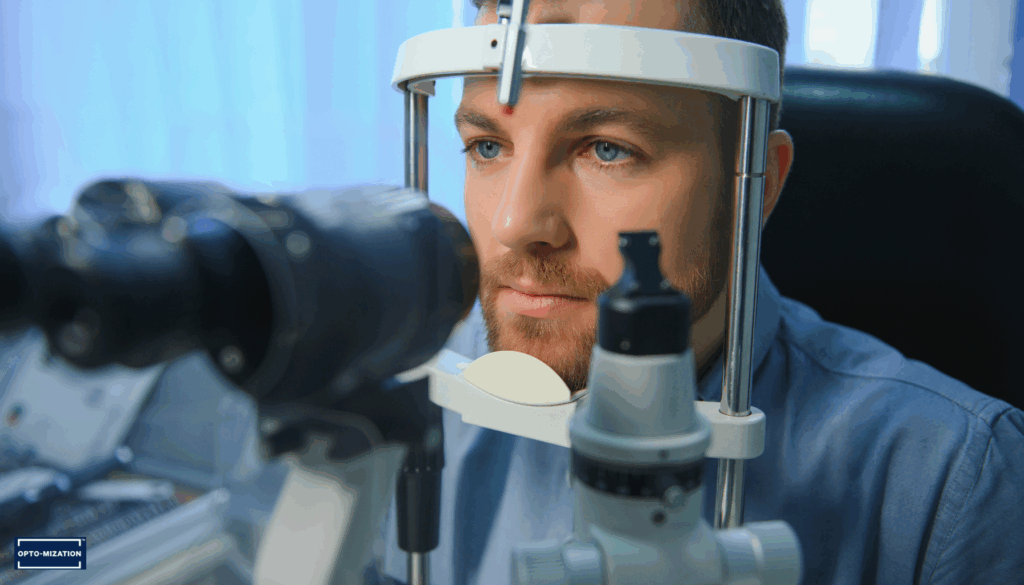
Speak with the team at Opto-Mization to explore whether neuro-optometric care is appropriate for your needs.
When People Search for a Neuro Optometrist
People often seek a neuro optometrist when vision problems do not fit neatly into routine categories. Symptoms may be subtle, variable, or difficult to explain, yet they interfere with daily life.
Common reasons people look for a neuro optometrist include:
- Ongoing headaches linked to visual tasks
- Dizziness or balance issues with a visual component
- Difficulty reading or sustaining focus
- Screen intolerance or visual fatigue
- Visual discomfort following concussion or injury
- Trouble processing visual information in busy environments
These symptoms may fluctuate, which can make them harder to diagnose through standard testing alone.
The Role of the Brain in Vision
More than half of the brain is involved in visual processing. Vision requires constant communication between the eyes and multiple brain regions responsible for movement, balance, attention, and interpretation.
When this communication is disrupted or inefficient, vision may feel unstable or exhausting, even if clarity appears normal. Neuro-optometric care focuses on identifying how these systems interact and where breakdowns may be occurring.
Comprehensive Eye Exams That Include Neuro-Optometric Assessment
A comprehensive eye exam that includes functional and neuro-optometric assessment goes beyond routine testing. In addition to evaluating eye health and prescription needs, this type of exam looks at how vision performs under real-world demands.
During a neuro-optometric-focused assessment, evaluation may include:
- Visual clarity at various distances
- Eye health and ocular structures
- Eye coordination and alignment
- Focusing on accuracy and flexibility
- Visual processing and integration
- Visual endurance and response to demand
This broader view helps explain symptoms that routine exams may not capture.
Why Standard Eye Exams May Miss Neuro-Visual Issues
Routine eye exams are essential for maintaining eye health and correcting refractive error. However, they are not designed to assess how vision interacts with neurological systems such as balance, movement, and spatial awareness.
A person can pass a standard exam and still experience significant visual discomfort if functional or neuro-visual inefficiencies are present. This is often why individuals feel confused or dismissed when symptoms persist despite “normal” results.
Neuro-Optometric Care After Concussion or Injury
One of the most common reasons people seek a neuro optometrist is following a concussion or head injury. Even mild injuries can disrupt how visual information is processed, leading to symptoms that persist long after the initial event.
Post-injury visual symptoms may include:
- Difficulty tolerating screens
- Visual motion sensitivity
- Headaches triggered by reading
- Dizziness in visually busy spaces
- Trouble tracking text or objects
Neuro-optometric vision care evaluates how the injury has affected visual processing and integration, helping identify contributors to lingering symptoms.
Children and Neuro-Optometric Vision Care
Children may also benefit from neuro-optometric evaluation, particularly when learning, reading, or attention challenges are present without a clear explanation. Vision plays a central role in learning, and inefficiencies in visual processing can increase the effort required to succeed in school.
Children who may benefit from neuro-optometric care include those who:
- Struggle with reading despite normal eyesight
- Appear visually overwhelmed in the classroom
- Have difficulty tracking text or copying
- Experience frequent headaches or fatigue during schoolwork
- Show inconsistent academic performance
Neuro-optometric assessment helps determine whether visual processing is contributing to these challenges.
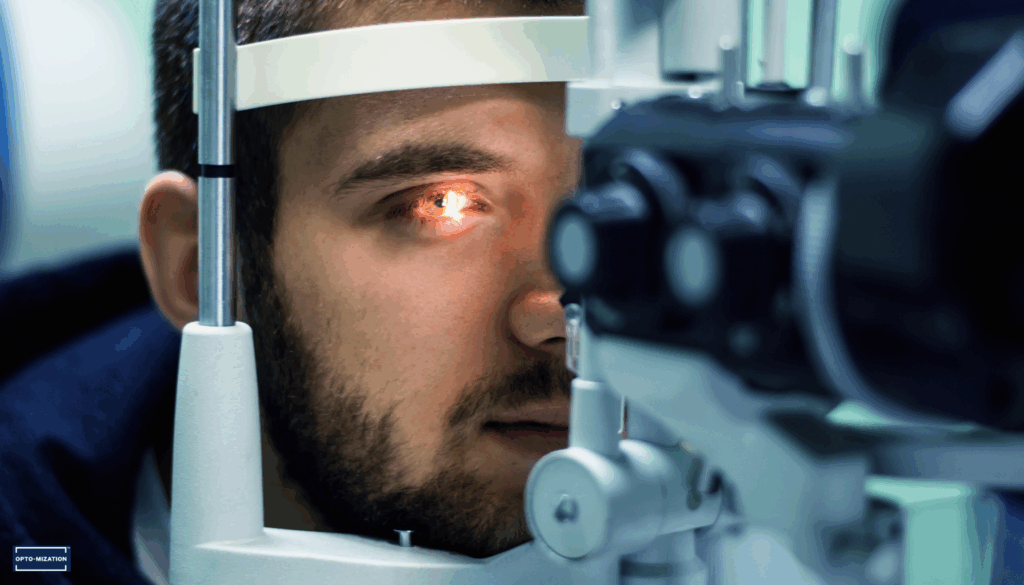
Book a comprehensive eye exam with neuro-optometric assessment to understand what is driving your visual symptoms.
Adults With Persistent Visual Discomfort
Adults often seek neuro-optometric care after years of managing symptoms through compensation. As visual demands increase and flexibility decreases with age, these compensations may no longer be effective.
Adults may notice:
- Increased visual fatigue at work
- Difficulty switching focus between distances
- Reduced tolerance for screens
- Headaches that worsen throughout the day
- Trouble concentrating during visual tasks
These symptoms are not simply signs of aging. They often reflect changes in how the visual system interacts with neurological processes.
Neuro-Optometric Vision Therapy
When neuro-visual inefficiencies are identified, vision therapy may be recommended as part of a care plan. Neuro-optometric vision therapy focuses on improving how the eyes and brain work together through structured, individualized activities.
It is important to understand that vision therapy does not replace medical care, tutoring, or rehabilitation services. It addresses visual inefficiencies that contribute to symptoms, helping reduce strain and improve functional performance.
Neuro-optometric vision therapy may support individuals with:
- Post-concussion visual symptoms
- Visual motion sensitivity
- Eye coordination challenges
- Visual processing difficulties
- Reduced visual endurance
Programs are tailored to the individual and adjusted based on progress.
The Importance of Individualized Care
Neuro-optometric vision care is not a one-size-fits-all solution. Symptoms vary widely, and care must be based on thorough assessment rather than assumptions.
A patient-centred approach includes:
- Detailed history and symptom review
- Comprehensive functional assessment
- Clear explanation of findings
- Individualized recommendations
- Ongoing monitoring when appropriate
This approach helps patients understand their vision rather than simply manage symptoms.
What Sets Neuro-Optometric Care Apart
Neuro-optometric care differs from routine vision services in both scope and depth. It focuses on understanding the interaction between vision and neurological systems rather than isolated visual tasks.
Key differences include:
- Emphasis on function, not just clarity
- Evaluation of vision under demand
- Integration of visual, balance, and processing factors
- Longer, more detailed assessments
- Ongoing support when needed
This depth is especially valuable for patients with complex or persistent symptoms.
Choosing a Neuro Optometrist in Victoria
When looking for a neuro optometrist in Victoria, it is helpful to ask how vision is evaluated and what type of care is offered beyond routine exams.
Questions to consider include:
- Does the clinic offer comprehensive eye exams that include neuro-optometric assessment?
- Are symptoms evaluated in the context of daily activities?
- Is care available for both children and adults?
- Is vision therapy offered when appropriate?
These questions can help determine whether a clinic is equipped to address complex visual concerns.
A Clearer Path Forward
Persistent visual symptoms can be frustrating and isolating, especially when answers are hard to find. Neuro-optometric vision care offers a way to better understand how vision and the brain work together and why discomfort may persist.
At Opto-Mization in Victoria, comprehensive eye exams that include functional and neuro-optometric assessment help patients gain clarity about their visual system. By looking beyond eyesight alone, neuro-optometric care supports more comfortable, efficient vision and a clearer path forward for individuals seeking answers.