Many people searching for a neuro optometrist in Nanaimo arrive at that point after a long and confusing journey. Vision tests may come back normal. Prescriptions may be updated. Eye health may be declared stable. And yet, daily life still feels visually difficult.
Reading causes headaches. Screens feel overwhelming. Balance feels off in busy spaces. Focus fades faster than it should. These experiences often leave people wondering whether the problem is stress, aging, attention, or something they are simply expected to tolerate.
In many cases, the missing piece is not eyesight itself, but how vision is being processed and coordinated by the brain. This is where neuro-optometric vision care becomes relevant.
When “Normal” Test Results Don’t Tell the Whole Story
Traditional eye exams are designed to answer specific questions:
Are the eyes healthy? Can the patient see clearly? Is the prescription accurate?
For many people, those questions are necessary but incomplete. Vision is not a single skill. It is a system that involves eye movement, coordination, timing, balance, and processing speed. When that system is under strain or not working efficiently, symptoms can appear even when clarity looks fine.
People often seek a neuro-optometrist when they notice a gap between test results and lived experience.
Common examples include:
- Clear vision but frequent headaches
- Good eyesight, but difficulty reading for more than a short time
- Normal eye health but dizziness in visually busy environments
- Updated glasses that improve clarity but not comfort
These patterns suggest a functional or neurological component to vision.

What Neuro-Optometric Vision Care Focuses On
Neuro-optometric vision care looks at how visual information is received, processed, and integrated by the brain. Vision is closely connected to movement, balance, attention, and spatial awareness. When those systems are not working together efficiently, visual tasks can become exhausting or uncomfortable.
A neuro-optometrist evaluates vision as part of a larger neurological system rather than as an isolated function of the eyes. This approach helps explain why symptoms can feel widespread or difficult to describe.
A Different Way to Look at Vision Problems
Instead of asking only “Can you see clearly?”, neuro-optometric care asks:
- How much effort does vision require?
- How stable does the visual world feel?
- How does vision respond under demand?
- How does visual input affect balance, focus, and comfort?
These questions are especially important for people whose symptoms fluctuate or worsen with fatigue.
Comprehensive Eye Exams That Include Neuro-Optometric Assessment
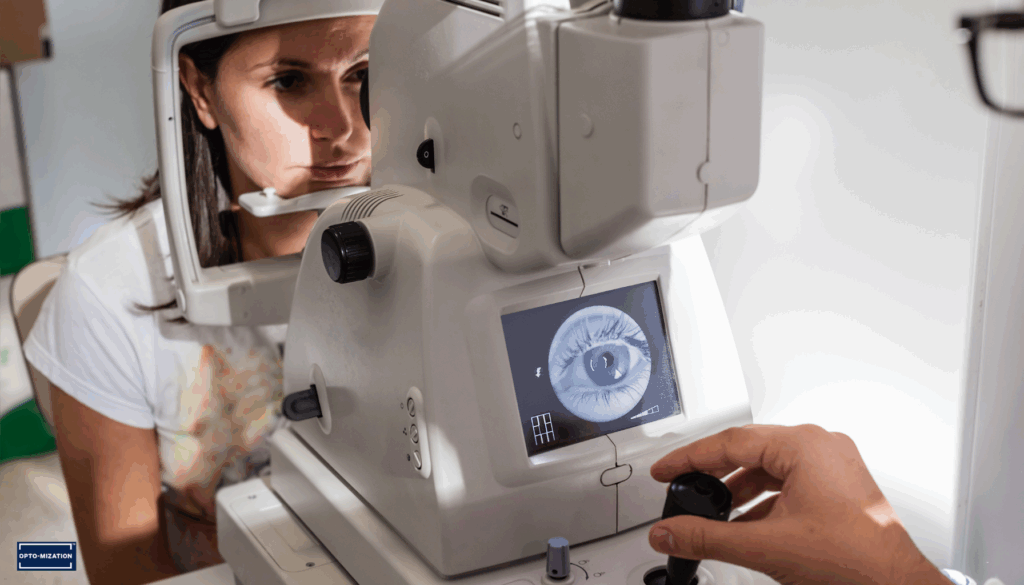
A comprehensive eye exam that includes functional and neuro-optometric assessment goes beyond routine testing. In addition to evaluating eye health and prescription needs, it examines how vision performs during real-world tasks.
This type of assessment may include evaluation of:
- Eye coordination and alignment
- Focusing on accuracy and flexibility
- Visual tracking and stability
- Visual processing efficiency
- Visual endurance over time
By looking at how vision behaves rather than only how it measures, neuro-optometric exams can uncover contributors to symptoms that otherwise remain unexplained.
Why Symptoms Often Appear After Injury or Illness
Many people in Nanaimo seek neuro-optometric care after a concussion, head injury, or other neurological event. Even when injuries are classified as mild, they can disrupt how visual information is processed.
Post-injury visual symptoms may include:
- Screen intolerance
- Visual motion sensitivity
- Difficulty concentrating on reading
- Headaches triggered by visual tasks
- Feeling disoriented in visually complex spaces
These symptoms can persist long after other signs of injury have resolved. Neuro-optometric assessment helps determine whether vision is contributing to ongoing difficulties.
Children and Neuro-Optometric Vision Care
Children may also benefit from neuro-optometric evaluation, particularly when learning or attention challenges do not improve with traditional supports alone.
Vision plays a central role in learning. When visual processing is inefficient, children may appear distracted, inconsistent, or resistant to schoolwork. These behaviors are often misinterpreted when the visual contribution is not considered.
Children who may benefit from neuro-optometric care include those who:
- Read inconsistently despite normal eyesight
- Struggle to copy or track text
- Tire quickly during visual tasks
- Experience headaches related to schoolwork
- Appear overwhelmed in busy classrooms
A neuro-optometric approach helps clarify whether visual processing is adding unnecessary strain.
Talk with an optometrist about persistent visual symptoms that don’t match test results.
Adults With Long-Standing Visual Fatigue
Adults often develop effective coping strategies for visual inefficiency without realizing it. Over time, these strategies require more effort and become harder to sustain, especially as visual demands increase.
Adults may notice:
- Increased fatigue during workdays
- Difficulty shifting focus between near and distant tasks
- Reduced tolerance for screens
- Visual discomfort that builds throughout the day
- Trouble concentrating during visually demanding activities
These symptoms are frequently attributed to stress or aging, when vision function may be playing a larger role.
Vision Therapy in Neuro-Optometric Care
When neuro-visual inefficiencies are identified, vision therapy may be recommended as part of a care plan. Neuro-optometric vision therapy focuses on improving how the eyes and brain work together through structured, individualized activities.
Vision therapy does not replace medical care or other supports. It addresses visual inefficiencies that increase effort and strain.
Neuro-optometric vision therapy may be used to support individuals with:
- Post-concussion visual symptoms
- Eye coordination difficulties
- Visual motion sensitivity
- Visual processing challenges
- Reduced visual endurance
Programs are tailored to the individual and adjusted based on response and progress.
Why Neuro-Optometric Care Takes Time
One reason neuro-optometric care feels different from routine vision services is the time and attention involved. Symptoms are explored in context, patterns are identified, and care is adjusted gradually.
This approach emphasizes:
- Detailed symptom history
- Individualized assessment
- Clear explanation of findings
- Realistic expectations
- Ongoing monitoring when appropriate
Rather than offering quick fixes, neuro-optometric care focuses on understanding and addressing contributing factors.
What Makes Neuro-Optometric Care Valuable
Neuro-optometric care is especially valuable for people who feel stuck between “nothing is wrong” and “something doesn’t feel right.” It provides a framework for understanding symptoms that do not fit neatly into standard categories.
Key benefits of this approach include:
- Greater clarity about symptom origins
- Reduced frustration from unanswered questions
- Targeted support for functional challenges
- Improved confidence in visual performance
For many patients, simply understanding why vision feels difficult is an important step forward.
Choosing a Neuro Optometrist in Nanaimo
When looking for a neuro-optometrist in Nanaimo, it is helpful to ask how vision is evaluated and what happens after the exam.
Consider whether the clinic:
- Offers comprehensive eye exams that include neuro-optometric assessment
- Evaluates vision under real-world demands
- Works with both children and adults
- Provides individualized recommendations rather than generic solutions
These factors often indicate whether a clinic is equipped to address complex visual concerns.
A More Complete View of Vision
Vision problems are not always about seeing clearly. They are often about how efficiently vision supports daily life. Neuro-optometric vision care provides a way to explore that connection when symptoms persist without a clear explanation.
At Opto-Mization in Nanaimo, comprehensive eye exams that include functional and neuro-optometric assessment help patients understand how vision and the brain work together. By looking beyond standard measures, neuro-optometric care offers a clearer path forward for those seeking meaningful answers.