Searching for eye specialists in Victoria BC often starts with a specific concern. Some people are dealing with persistent eye strain or headaches. Others are worried about a child’s reading progress or attention in school. Many adults are frustrated because updated prescriptions have not resolved their visual discomfort. In these situations, patients are often looking for more than a routine eye exam. They are looking for answers.
Understanding what makes an eye specialist different from a general vision provider can help clarify what type of care is most appropriate. In many cases, the difference lies in whether vision is evaluated only for clarity and eye health, or whether it is assessed comprehensively, including how the visual system functions in daily life.
What Do People Mean When They Search for Eye Specialists?
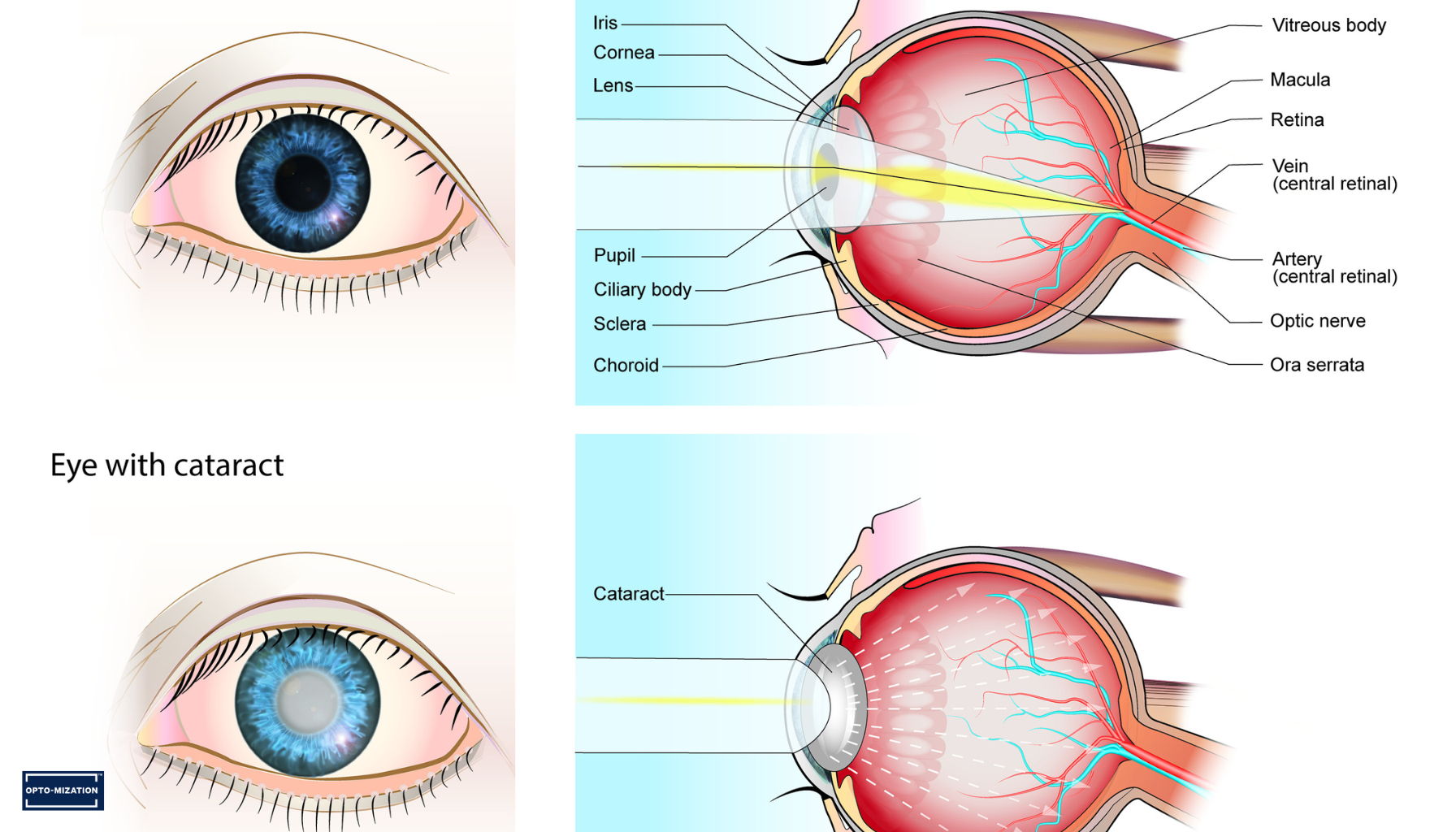
The term “eye specialist” is often used when vision concerns feel complex, persistent, or unresolved. For many people, this means an ophthalmologist—a medical doctor who diagnoses and treats eye diseases such as cataracts, glaucoma, or macular degeneration. When eye disease or surgical care is required, an ophthalmologist is the appropriate provider, and patients in British Columbia can be directed through their family doctor or Find a Physician BC.
Neuro-optometric and functional vision care addresses a different part of vision. Rather than treating disease, it focuses on how the eyes work together and how visual information is processed. This type of care is most relevant when eye health exams are normal, but symptoms such as headaches or migraines, reading strain, visual fatigue, or difficulty focusing continue.
People often seek eye specialists when they experience:
- Ongoing eye strain or fatigue
- Headaches related to visual tasks
- Reading or learning difficulties
- Trouble focusing or sustaining attention
- Dizziness or discomfort triggered by visual environments
- Visual issues following concussion or injury
In these cases, patients are not simply asking whether they need glasses. They are asking why vision feels difficult or uncomfortable and what can be done to improve it.

Speak With an Eye Specialist About Your Symptoms
Schedule a consultation to understand whether functional vision care may be contributing to eye strain, headaches, or reading difficulties.
Routine Vision Care Versus Specialized Vision Care
Routine vision care plays an essential role in maintaining eye health and updating prescriptions. However, it is not always designed to investigate how vision functions under real-world demands.
Specialized vision care takes a broader view. It looks at how the eyes and brain work together, how vision supports performance and comfort, and how visual effort changes over time. This is where functional and comprehensive approaches become important.
Eye specialists who work within this model are trained to evaluate more than visual acuity alone.
Comprehensive Eye Exams That Include Functional Vision
A comprehensive eye exam that includes a functional vision assessment goes beyond checking how clearly a patient can see letters on a chart. It evaluates how well the visual system supports everyday activities such as reading, screen use, learning, and sustained focus.
In a comprehensive exam that includes functional testing, the assessment may include:
- Visual clarity at multiple distances
- Eye health and ocular structure
- Eye coordination and teaming
- Focusing on accuracy and flexibility
- Visual endurance over time
- How vision responds under demand
This type of evaluation helps explain why some patients struggle even when their eyesight appears normal.
Why Functional Vision Matters
Functional vision refers to how effectively the visual system performs during daily tasks. Vision can be clear but inefficient, meaning it requires excessive effort to maintain comfort and focus.
When functional vision is inefficient, patients may experience:
- Fatigue during reading or screen use
- Difficulty sustaining attention on visual tasks
- Headaches that worsen throughout the day
- Visual overwhelm in busy environments
- Avoidance of visually demanding activities
Because these symptoms fluctuate and may not affect clarity, they are often overlooked or misattributed to stress, workload, or behavior.
Eye Specialists and the Role of Functional Assessment
Eye specialists who focus on functional vision are trained to recognize patterns that routine testing may miss. They understand that vision involves coordination, processing, and endurance, not just sharpness.
Functional assessment helps identify:
- Subtle eye coordination issues
- Inefficient focusing patterns
- Visual habits that increase strain
- Compensation strategies that mask underlying problems
By identifying these factors, specialists can explain symptoms that previously lacked clear answers.
Children and the Need for Specialized Vision Care
Many parents seek eye specialists in Victoria, BC, because of concerns about a child’s learning or behavior. Children rely heavily on vision for reading, writing, and classroom engagement. When visual skills are inefficient, learning can require far more effort than expected.
Children with functional vision challenges may:
- Read inconsistently
- Skip words or lose their place
- Avoid close-up tasks
- Become fatigued quickly
- Appear inattentive during visual work
These signs are often misunderstood as learning or attention issues when vision is actually contributing to the difficulty.
A comprehensive eye exam that includes functional testing helps determine whether visual efficiency is supporting or interfering with learning.
Adults With Persistent or Unexplained Symptoms
Adults often seek eye specialists after repeated attempts to resolve symptoms through prescription changes alone. As visual demands increase with age and screen use becomes more intensive, functional inefficiencies may become harder to compensate for.
Adults may notice:
- Increasing eye strain despite updated glasses
- Reduced tolerance for screens
- Headaches linked to near work
- Difficulty shifting focus between distances
- Visual fatigue that builds throughout the day
These symptoms are not simply signs of aging. They often reflect changes in how the visual system functions under demand.
When Glasses Help and When They Are Not Enough
Glasses and contact lenses are a critical part of vision care. They correct refractive error and improve clarity. However, they are not designed to retrain visual skills or improve how the eyes work together.
Eye specialists who take a functional approach recognize that:
- Clear vision does not always equal comfortable vision
- Stronger prescriptions do not always resolve strain
- Task-specific visual demands matter
This understanding helps explain why some patients continue to struggle even with accurate prescriptions.

Get clear answers with a functional vision assessment designed to explain ongoing symptoms; not just update a prescription.
Vision Therapy as Part of Specialized Care
When functional vision issues are identified, vision therapy may be recommended as part of a broader care plan. Vision therapy focuses on improving how the eyes and brain coordinate and process visual information.
It is important to understand what vision therapy is and is not. Vision therapy does not teach academic skills or replace other supports. It addresses visual inefficiencies that make everyday tasks more demanding than they should be.
Vision therapy may be considered for patients with:
- Eye coordination difficulties
- Reading or learning challenges linked to vision
- Visual fatigue that interferes with daily life
- Persistent symptoms despite corrective lenses
Specialized eye clinics use vision therapy when appropriate and tailor programs to individual needs.
Complex and Post-Injury Vision Concerns
Some patients seek eye specialists because their symptoms began after a concussion or injury. Vision is closely connected to balance, spatial awareness, and processing. When these systems are disrupted, visual symptoms may persist even after other symptoms improve.
Specialized vision care may be relevant for individuals experiencing:
- Visual dizziness or imbalance
- Difficulty tolerating motion or busy environments
- Headaches triggered by visual tasks
- Screen intolerance following injury
A comprehensive functional assessment helps determine whether vision is contributing to ongoing symptoms.
What Sets a Specialized Eye Clinic Apart
An eye clinic focused on specialized care is structured differently from high-volume vision providers. Time, evaluation depth, and patient education are prioritized.
A specialized clinic typically offers:
- Longer, more detailed assessments
- Individualized care plans
- Ongoing monitoring when needed
- Clear explanation of findings
- Collaborative, team-based care
This approach supports patients who need more than a quick prescription update.
Choosing Eye Specialists in Victoria, BC
When looking for eye specialists, it helps to ask how vision is evaluated and what services are available beyond routine exams.
Questions to consider include:
- Does the clinic offer comprehensive eye exams that include functional vision testing?
- Are both children and adults assessed for visual efficiency, not just clarity?
- Is care individualized based on symptoms and daily demands?
- Is ongoing support available if needed?
These questions often reveal whether a clinic focuses on surface-level correction ora deeper understanding.
A Patient-Centred Approach to Vision Care
Specialized vision care is not about labeling problems or promising quick fixes. It is about understanding how vision supports daily life and identifying barriers to comfort, performance, and confidence.
At Opto-Mization in Victoria, eye specialists provide comprehensive eye exams that include functional vision assessment for children and adults. This approach helps patients understand why symptoms persist and what steps may support more comfortable, efficient vision.
Seeing the Difference Comprehensive Care Can Make
Searching for eye specialists in Victoria, BC, often reflects a desire for deeper answers. Functional and comprehensive vision care offers a clearer understanding of how vision truly works and why discomfort or difficulty may persist.
By looking beyond clarity alone, specialized eye care helps patients move from frustration to understanding and from compensation to confidence.